Ninja stage show in Kabukichō
About 80 minutes of taiko, kabuki-style sword fights, a hands-on ninja segment and a cast finale, largely without dialogue.

Tokyo · Shinjuku · Kabukichō
An 80-minute show told without dialogue: taiko drums, kabuki-style sword fights, a hands-on ninja segment and a cast finale.
Taiko drums, sword fights and a hands-on ninja segment, performed without dialogue, so no Japanese is needed.
The show at a glance
Kabuki, ninja and Kabukichō
The ticket description says the show is built with kabuki production techniques passed down since the Edo period. UNESCO describes classical kabuki as actors speaking in a monotone voice with traditional instruments. This show is largely non-verbal, so the borrowing is in staging, lighting and spectacle.
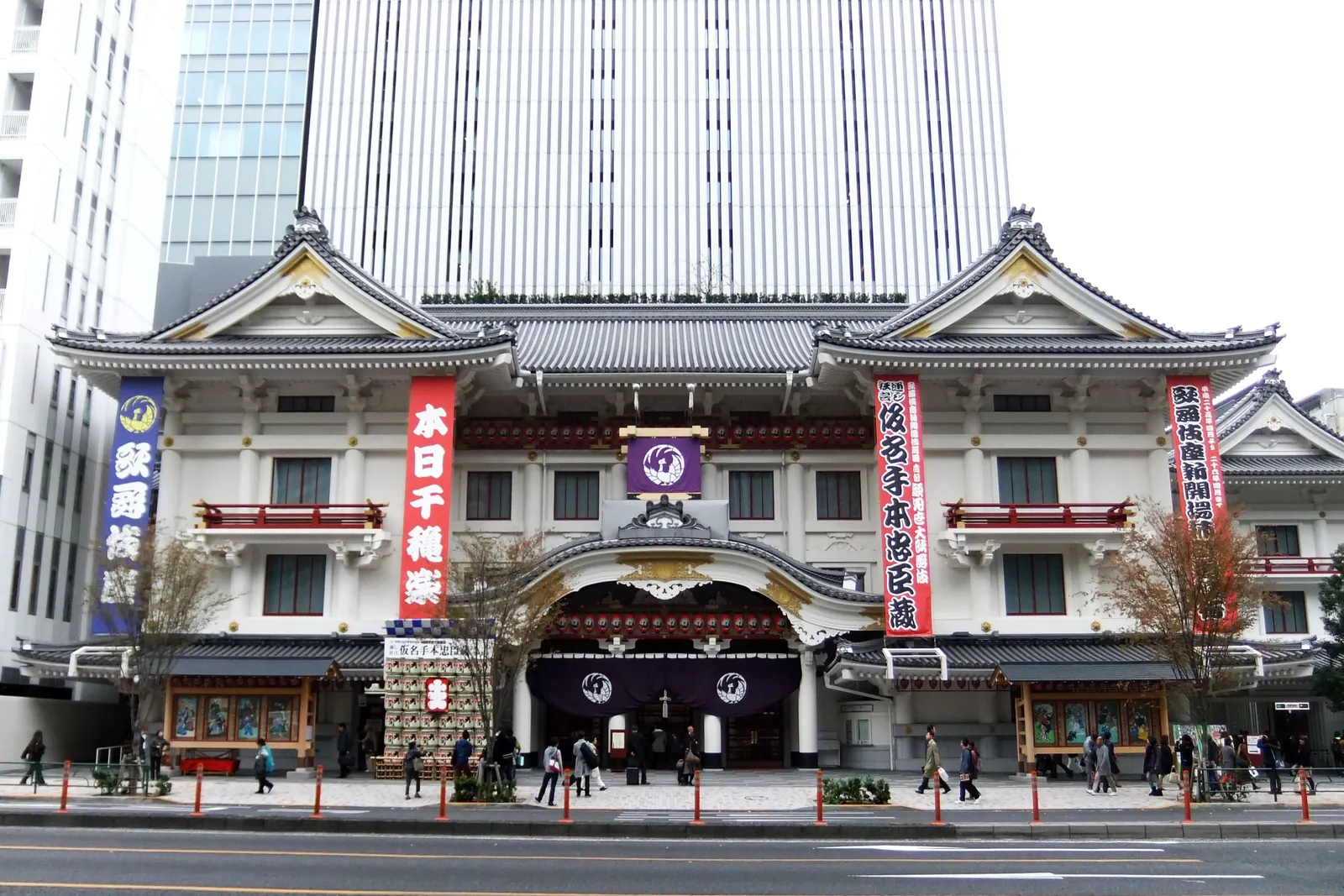
Wikipedia calls the Kabuki-za in Ginza the principal theatre in Tokyo for traditional kabuki, with programmes that change monthly. A ninja stage show in Shinjuku is a separate kind of evening.
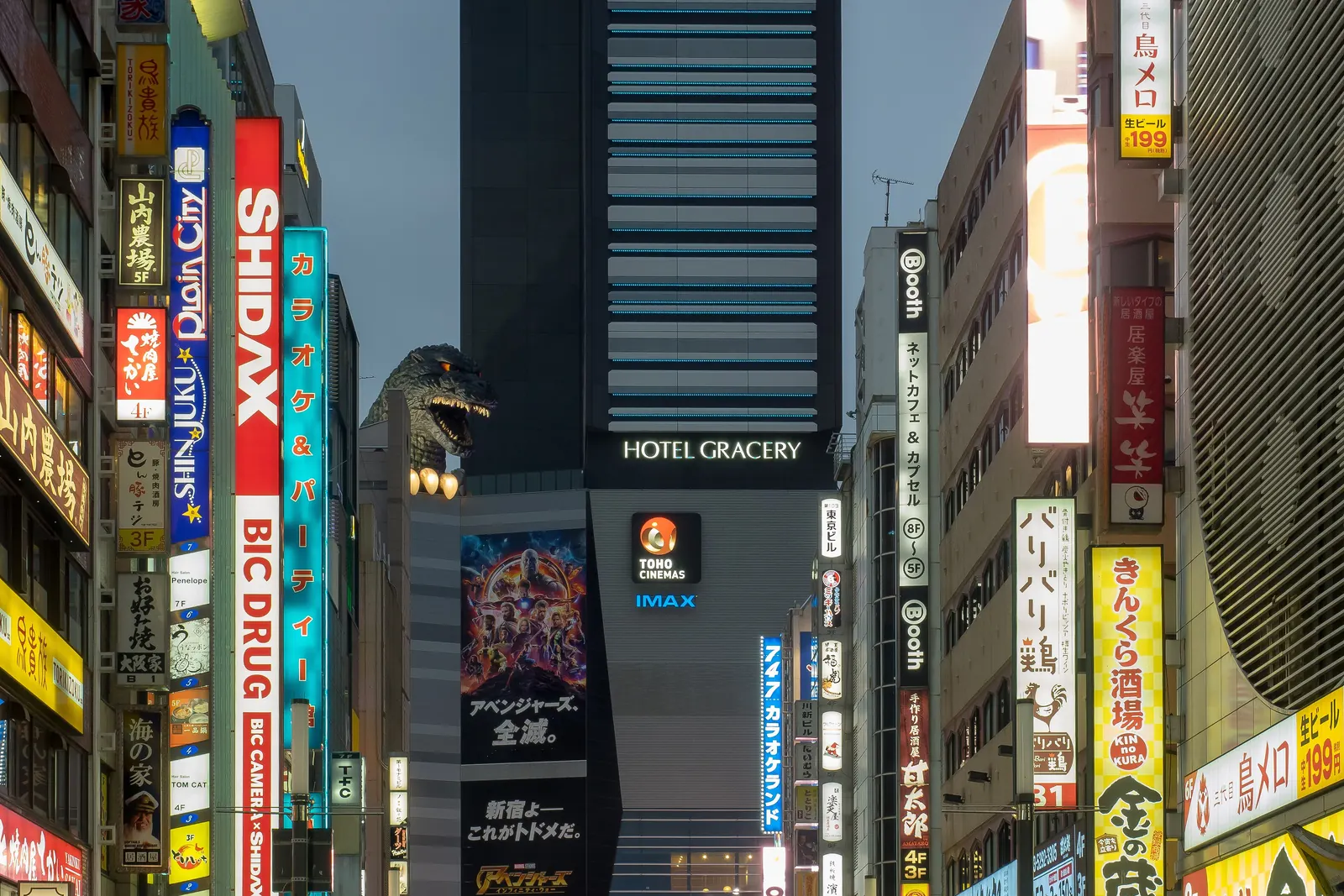
Wikipedia says Kabukichō takes its name from late-1940s plans for a kabuki theatre that was cancelled for financial reasons while the name stayed. The venue is a short walk from the Godzilla Head, which Wikipedia calls a local landmark.
Wikipedia says real ninja probably wore dark brown work clothes, and the historian Stephen Turnbull suggested that the black-clad ninja came from kabuki, whose stagehands, the kuroko, dress in black. On Turnbull's suggestion, the stage shaped how ninja are pictured.
Six scenes
The show's own site lists the night in four parts. Order and details can change, and your confirmation shows the start time.
Reception opens ahead of the show. On the GetYourGuide ticket, number tags are handed out in the order of reception, and staff guide you to your seat by number. A bar is open before the show, the show's site says.
The show's site says the night begins with live taiko. Wikipedia dates archaeological evidence of taiko in Japan to the 6th century CE, with uses in war, festivals and court music.
Kabuki-style sword fights, which the show's site calls tate, and Japanese dance, with fast choreography.
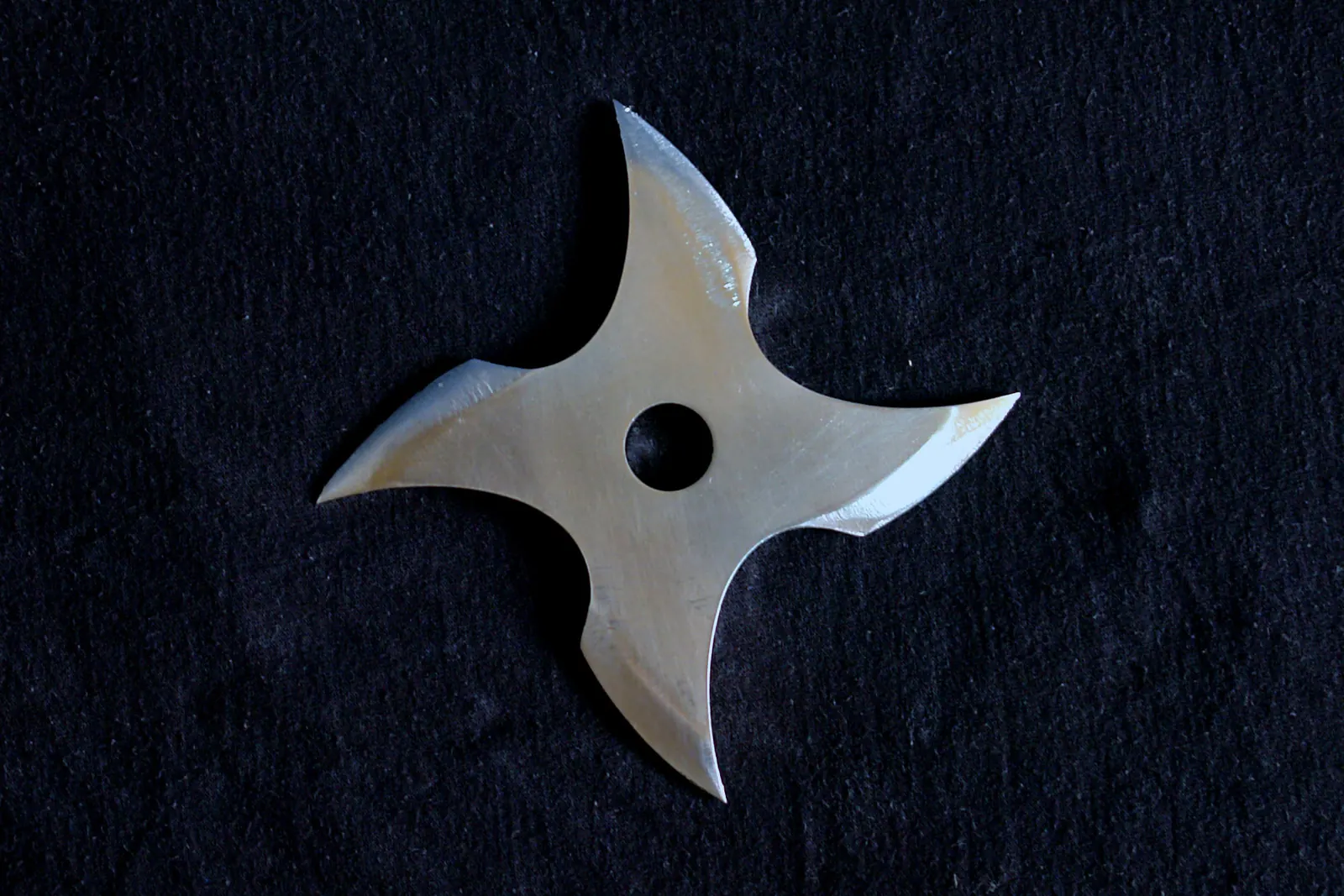
Guests take part, throwing shuriken and trying stage combat with the performers' guidance, as the show's site describes it.
The cast performs together at the finale, and guests get a keepsake photo with the boss ninja in kumadori makeup.
The show is largely non-verbal, and English-speaking staff are on hand, the show's site says. The ticket description calls it non-verbal live entertainment.
Treat this as the programme the show currently shows and not as a promise. Anything on stage can be reworked between visits.
Venue, seats and entry
Points to settle before you choose a date.
Around Kabukichō
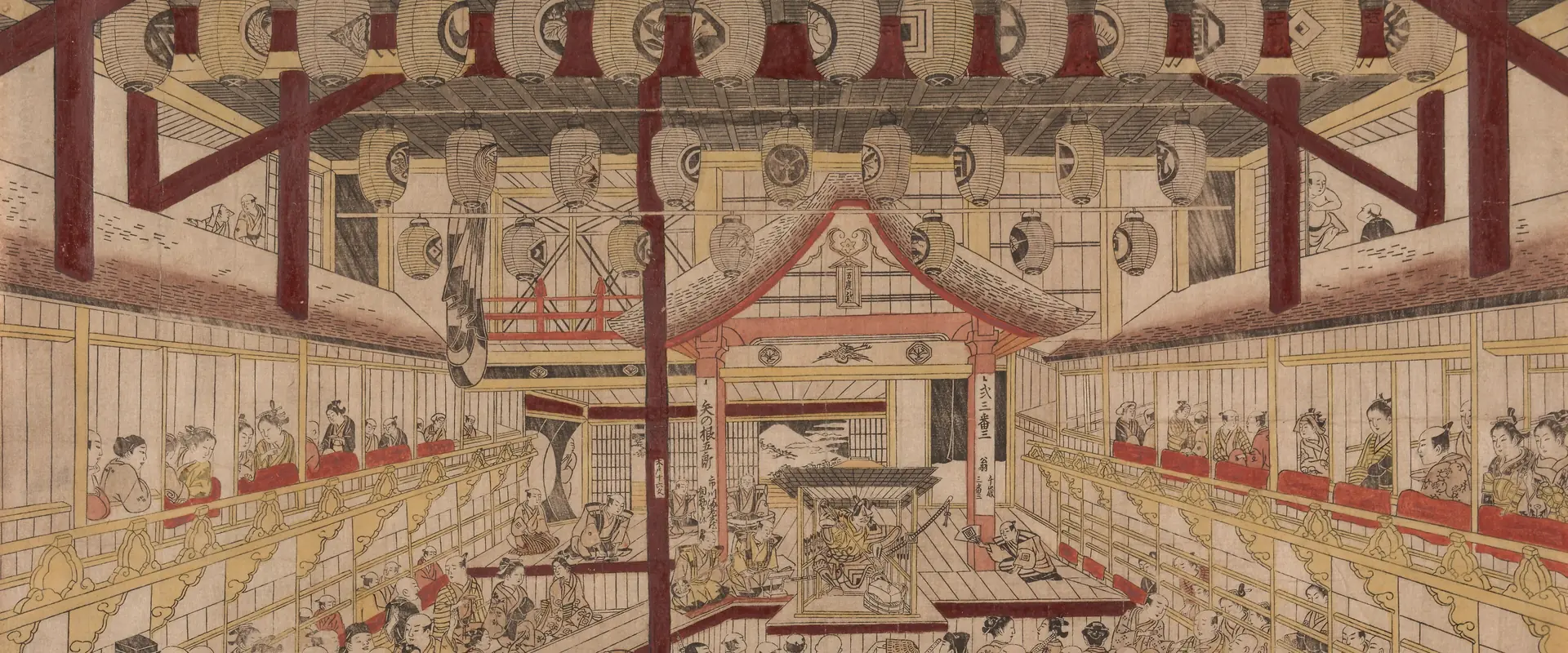
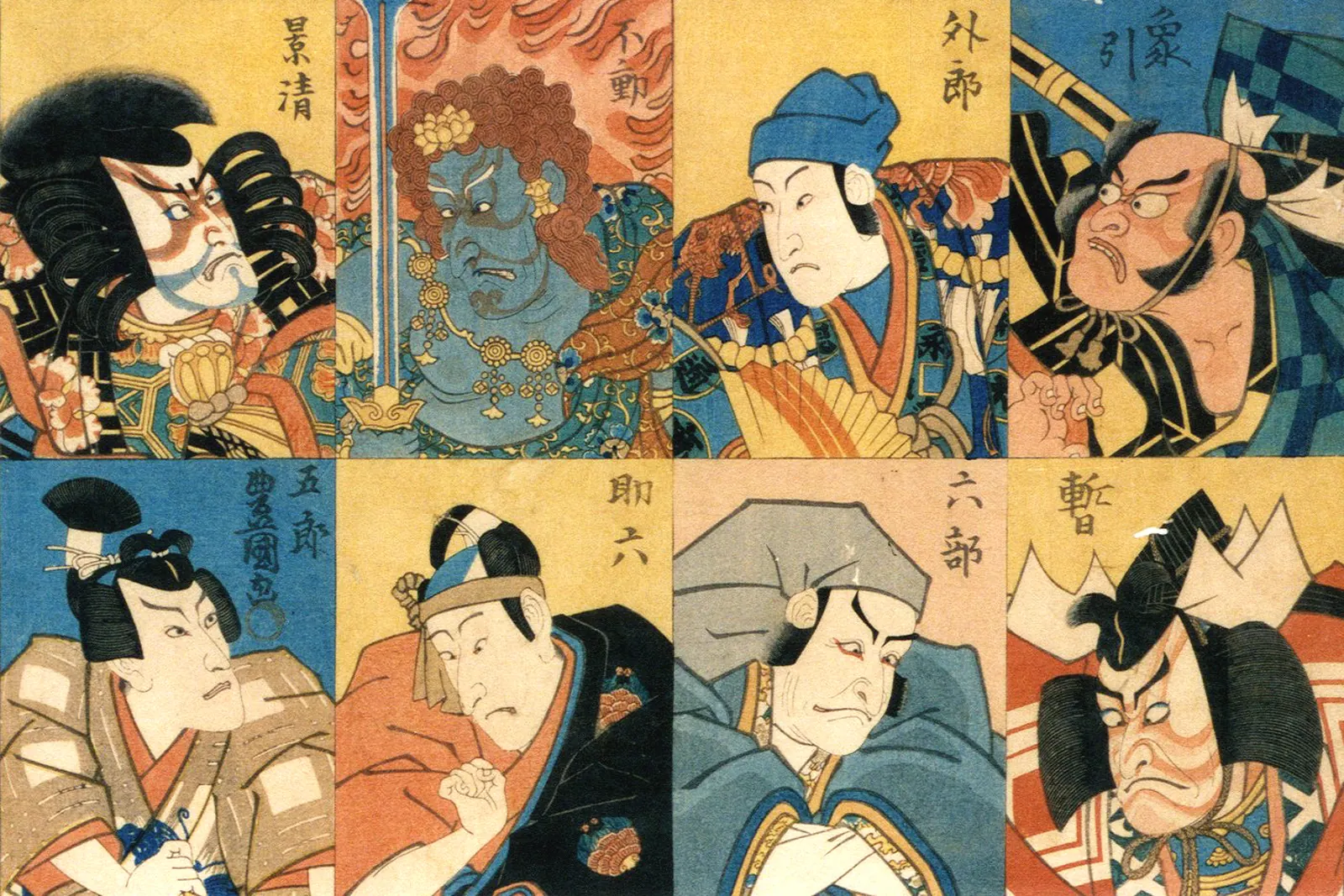
The Kabukichō gate at night, the Kabuki-za in Ginza, the Godzilla Head, a shuriken, a print of kabuki actors and a Kabukichō street of signs. No picture here shows the performance or the room it is staged in.


Three Tokyo options side by side
| Ticket | What you get | Who it suits |
|---|---|---|
| Ninja stage show | This page's ticket: about 80 minutes of taiko, kabuki-style sword fights, a hands-on ninja segment and a cast finale, largely without dialogue. | Families and first-timers who want spectacle over story |
| Kabuki or bunraku programme | The second card: a short classical programme presented by the National Theatre. The art form varies by date and is named in the option title, with an English audio guide giving the main points. | Visitors who want classical performance in a short form |
| Samurai Ninja Museum tour | The third card: a one-hour guided visit with exhibits on samurai and ninja history, shuriken throwing and a chance to dress as a samurai, at a branch in Asakusa or Shinjuku. | Travellers who would rather do than watch |
Pick your Tokyo evening
Card one is the stage show this page describes. Cards two and three suit visitors who want classical programmes or a hands-on museum visit instead.
About 80 minutes of taiko, kabuki-style sword fights, a hands-on ninja segment and a cast finale, largely without dialogue.
A short classical programme presented by the National Theatre. The art form varies by date and is named in the option title.
A one-hour guided visit with exhibits on samurai and ninja history, shuriken throwing and a chance to dress as a samurai.
Elsewhere in Tokyo
Before the day
The GetYourGuide ticket has no seat reservation. Reception hands out number tags in the order of arrival, and staff seat you by number, so arrive together if you want to sit together.
Dates and start times are listed in the booking calendar and in your confirmation email. The show's site says doors open ahead of showtime and that shows may sell out, so book ahead rather than rely on walk-ups.
Staff may ask you to verify your purchase. Accepted ID includes a driver's licence, a passport, a My Number Card or a Certificate of Alien Registration.
Bringing food and drinks in is not allowed. The show's site says a bar is open before the show.
Reviewers call the drumming powerful and some say it is too loud. Weigh that for young children and sound-sensitive guests.
If your plans shift, the GetYourGuide ticket returns the whole fare for a cancellation made a full day ahead, and it lets you book without paying yet.
Background on kabuki, ninja and oiran
FAQ
A largely non-verbal stage show of about 80 minutes at WARP SHINJUKU in Kabukichō, produced by the Japan Ninja Council. It mixes taiko drumming, kabuki-style sword fights and dance, a hands-on ninja segment and a finale for the whole cast.
Not classical kabuki. It borrows kabuki production methods and staging, but it has no spoken text of a kabuki play. Classical kabuki is staged at theatres such as the Kabuki-za in Ginza.
No. The show is largely non-verbal, and the show's own site says English-speaking staff are on hand.
No. On the GetYourGuide ticket, seat reservations are not available. Reception hands out number tags in the order of arrival, and staff guide you to your seat by number.
Yes. Children aged 0 to 6 enter free, with food and drink not included, and children under 16 must be with a parent or legal guardian.
Reviewers say so. They praise the taiko drumming, and some find the volume high.
Its GetYourGuide page averages 4.2 out of 5 across 509 reviews, with praise for the drumming, the effects and the staff.
Yes, on the GetYourGuide ticket. Cancel a full day beforehand and you are repaid in full, and you may also book now and pay afterwards.
Choose a date and the booking panel quotes the fare in the currency you prefer.